

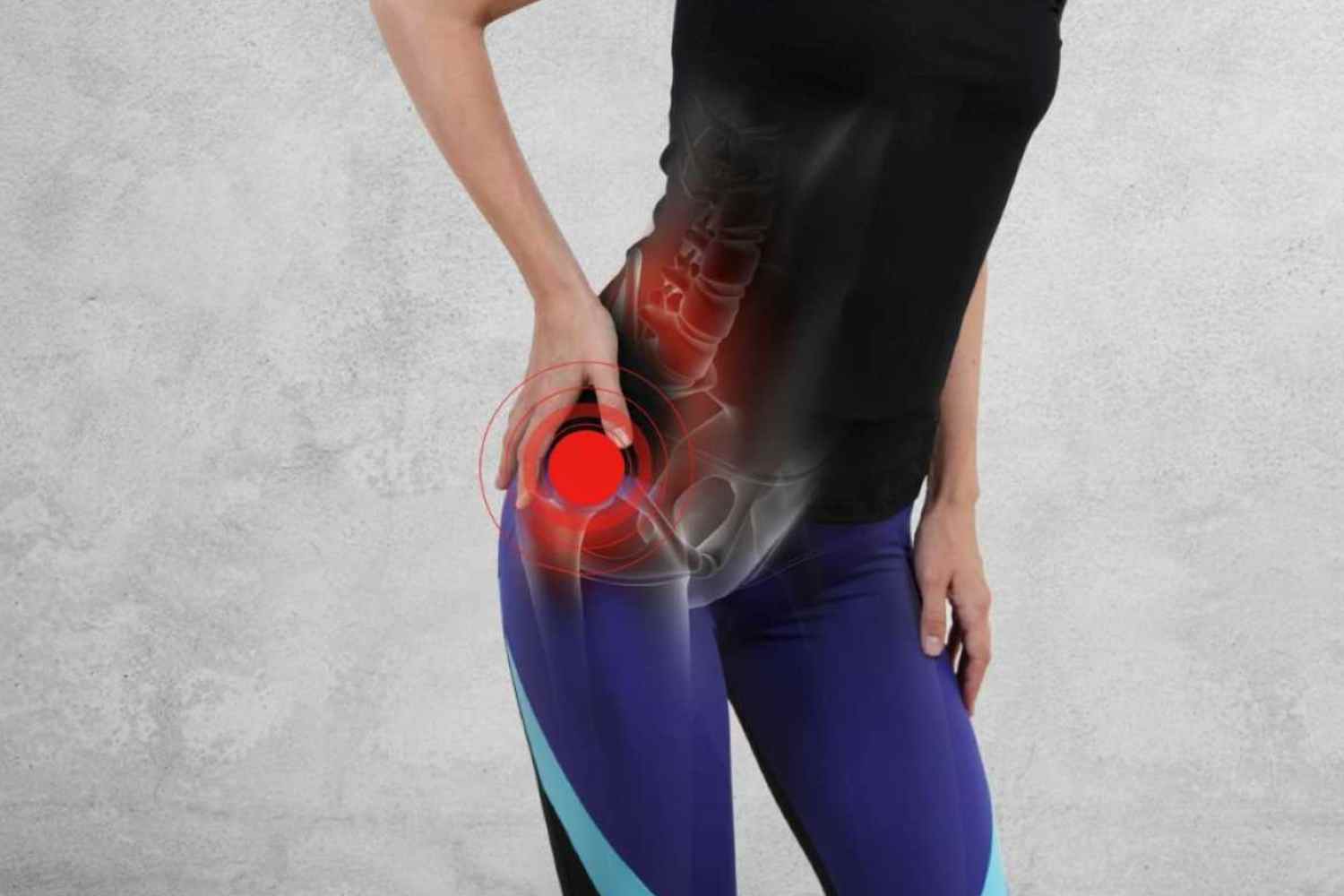
Hip osteoarthritis (OA) is one of the most common causes of disability in adults, often leading to pain, stiffness and reduced mobility. In the most severe cases, this could even lead to a hip joint replacement. However, something you may not know is that the loss of hip internal rotation is often the first sign of hip joint degeneration and a key predictor of future hip OA.
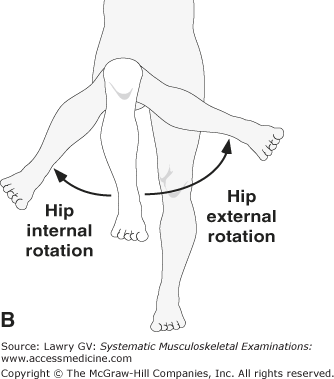
Hip internal rotation refers to the ability of the thigh to rotate inward around the hip socket. This motion is essential for everyday activities such as walking, bending, twisting and even sitting. Hip internal rotation is often the first movement to decline in individuals developing hip OA.
While external rotation is also important, it is hip internal rotation that consistently shows the strongest correlation with hip degeneration. A loss of this range has been linked to both structural joint changes and increased joint loading during daily activities, which accelerates “wear and tear”.
A 2020 study showed that reduced hip internal rotation is predictive of both cartilage damage and labral tears, conditions often preceding radiographic OA (Harris-Hayes et al., 2020).
This makes internal rotation an early indicator of hip pathology. Ignoring this can lead to a vicious cycle of the following: reduced rotation → poor joint mechanics → increased degeneration → worsening stiffness and pain.
The good news is that physiotherapy can improve hip internal rotation and overall hip joint health which helps to delay the onset or progression of hip OA. Through manual therapy, mobility techniques and exercises as well as strength exercises, physiotherapists can restore lost range and optimise joint mechanics. Improving hip range of motion, especially internal range of motion, has been shown to reduce pain and improve functional outcomes in people with hip joint degeneration.
At Invigorate Health and Performance, our expert physiotherapists are highly trained in assessing and treating early hip mobility deficits. We’ll work with you to develop a personalised home exercise program that not only restores mobility but builds strength to protect your hips long-term.
Whether you’re an athlete, weekend warrior, or simply starting to feel stiffness when you move, now is the time to act.
Book your appointment today and take control of your hip health before it’s too late.
(Published Dec 17, 2025)
Written By: Nicholas Dimos (Senior Physiotherapist)