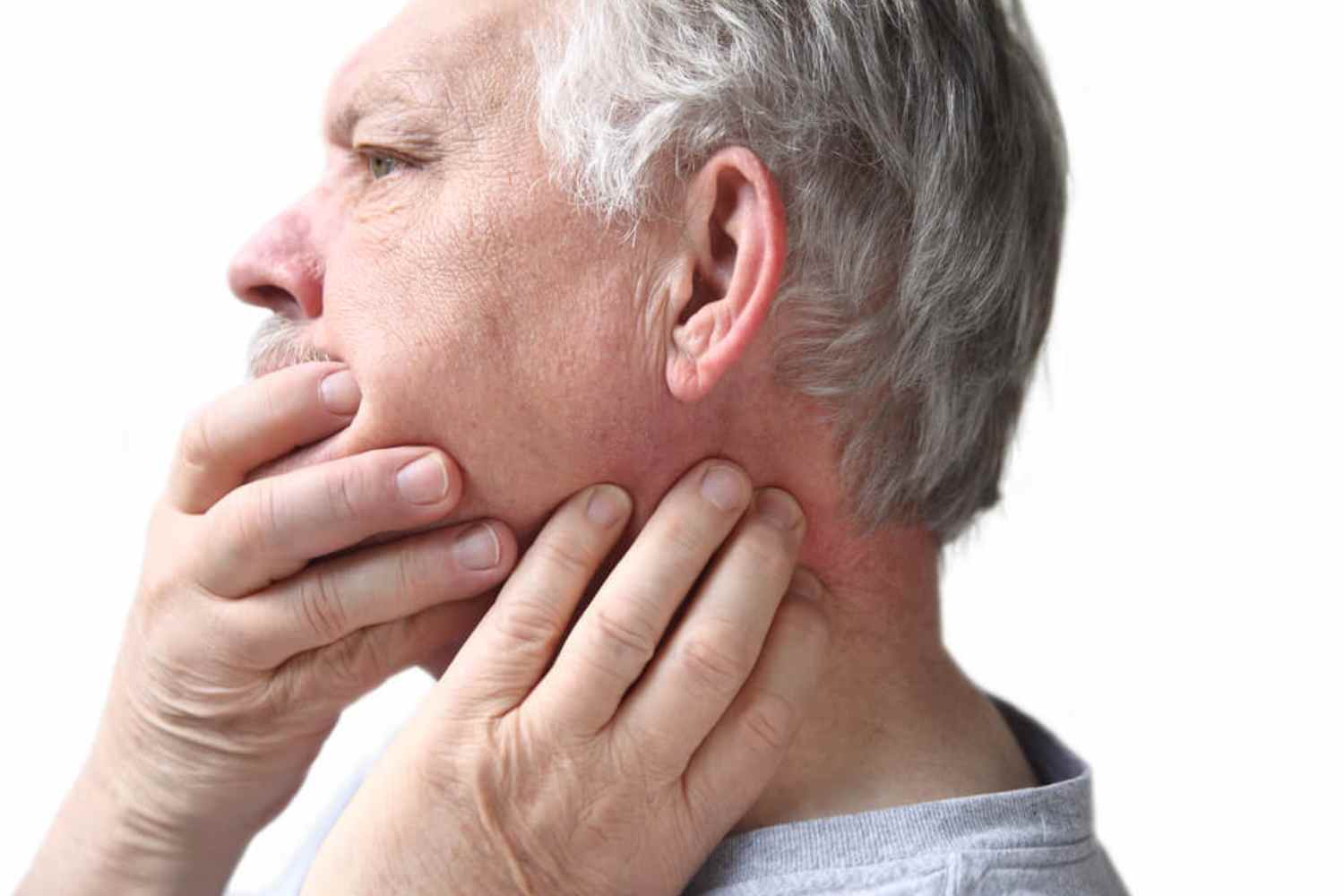
When people experience neck pain, they often look to poor posture, long hours at a desk or stress as the primary culprits. While these are often the usual causes, another cause that is frequently overlooked is jaw tightness. Yes, your jaw could be playing a significant role in your neck pain and could even be causing your headaches.
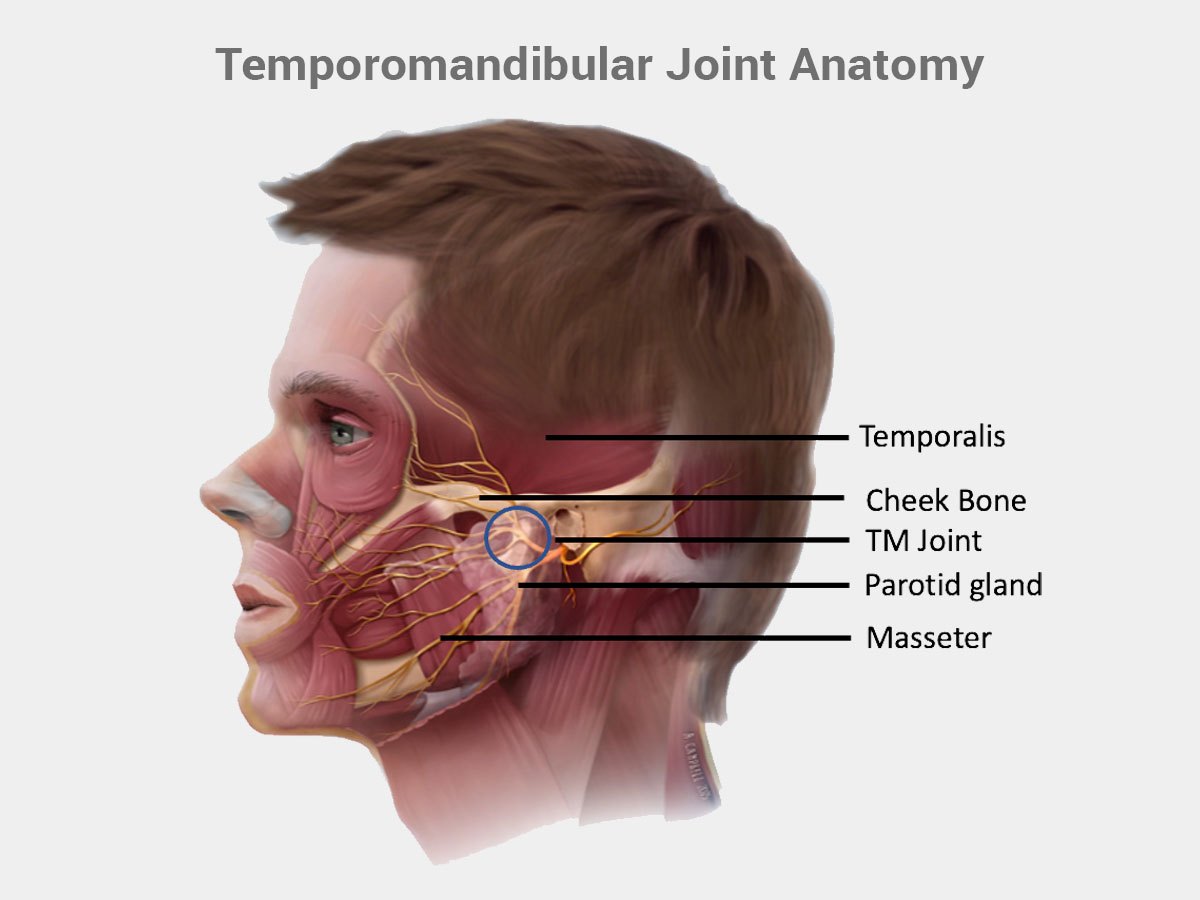
The jaw and neck are more connected than most people realise. The temporomandibular joint is intricately linked with the muscles and nerves of the head, neck and shoulders. Jaw muscles often become tight or overactive due to habits such as teeth grinding, jaw clenching or even prolonged stress. This tension can radiate downwards, affecting the neck and shoulders.
This can result in:
Despite this, jaw tightness often goes undiagnosed in patients seeking relief from neck pain.
If you’re struggling with neck pain and can’t pinpoint the cause, it’s worth paying attention to the following:
If you answered “yes” to any of these, your jaw may be contributing to your neck issues.
At Invigorate Health and Performance, our practitioners are trained to assess the entire body, not just the site of pain. When it comes to jaw-related neck pain, we take a holistic approach that includes:
We can also prescribe a tailored exercise program that may include:
These exercises not only help alleviate current symptoms but also reduce the likelihood of future flare-ups.
If you’ve been dealing with stubborn neck pain and feel like you’ve tried everything, it may be time to look beyond the obvious. Our experienced team at Invigorate Health and Performance understands the often-overlooked role of jaw tension in neck discomfort and is here to help you move and feel better.
Book an appointment with us today and take the first step towards a pain-free, fully functional life. Let’s get to the root of your pain, together.
(Published DEC 3, 2025)
Written by: Nicholas Dimos (Senior Physiotherapist)