
Struggling with constipation? We’ve all been there, bloating, cramping, and that frustrating discomfort that just won’t go away. There are so many things that can cause constipation like certain medications, inactivity, medical conditions, and more!
But did you know that your bowel health plays a huge role in your bladder health?
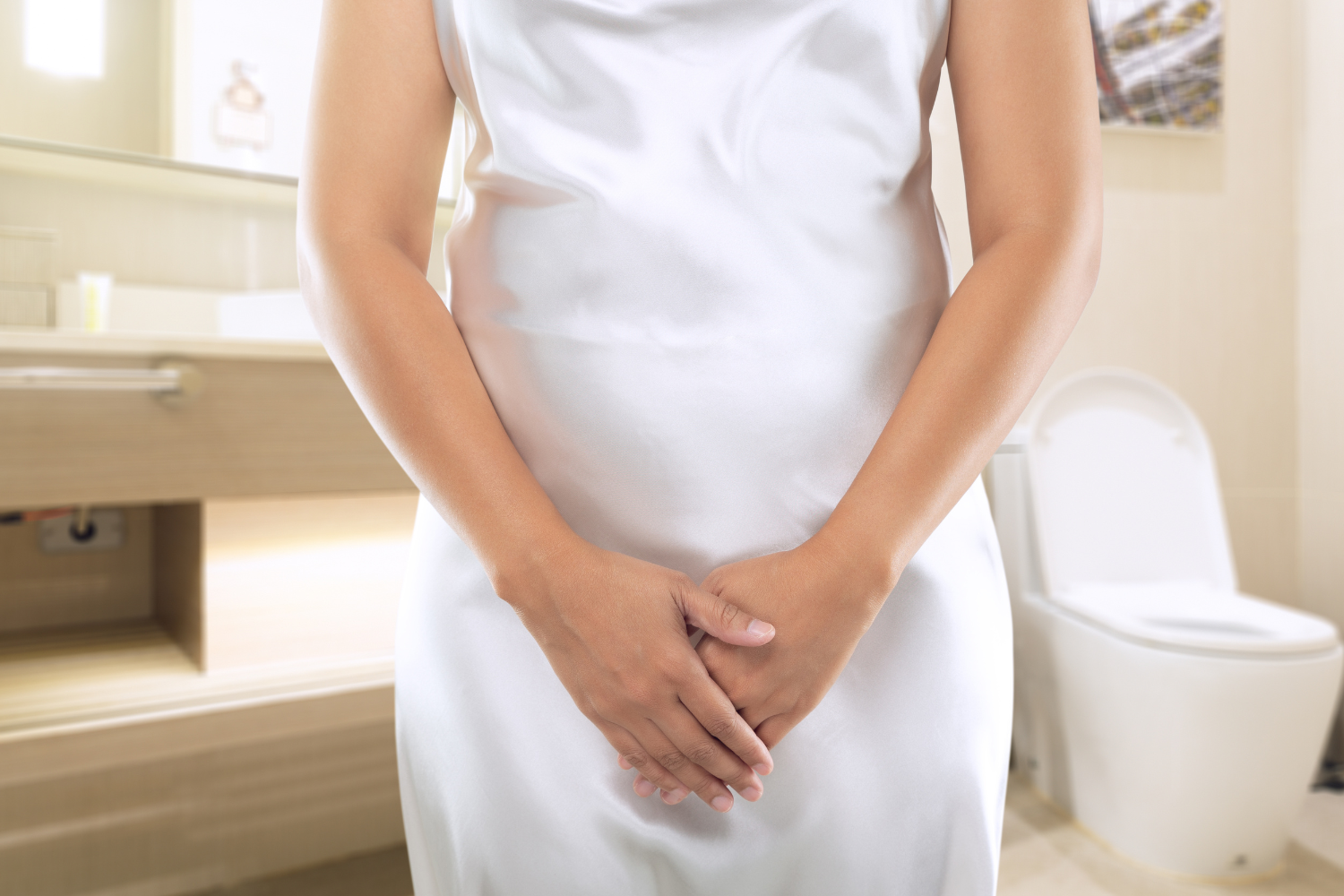
If you’re dealing with incontinence, prolapse, pelvic pain, or bladder urgency, improving your bowels can make a world of difference. When your bowels aren’t moving well, they put pressure on your bladder and pelvic floor, making symptoms worse. That’s why addressing constipation is a key step in improving bladder control and pelvic health.
One of the easiest and most effective ways to support your bowels is abdominal bowel massage. It’s a simple, medication-free technique that can help relieve constipation, keep things moving, and reduce unnecessary strain on your pelvic floor.
Research shows that gentle abdominal massage can stimulate the bowels, help move stool through the colon faster, and increase regularity, which means less straining, less bloating, and less pressure on your bladder and pelvic floor! (Sinclair, 2011).
And the best part? It’s easy to do at home and doesn’t require medications or enemas.
Before you start, make sure:
✅ You’re near a toilet, you might need to go shortly after!
✅ Your nails are short and smooth to avoid scratching your skin.
✅ You have a non-irritating lotion or oil (like coconut oil) to help your hands glide.
✅ You’re lying in a comfortable position with your knees supported by pillows.
If you feel discomfort or pain, stop and check in with your healthcare provider.
Once your body tells you it’s time to go, listen!
Have you heard of the “poo window”? This is a 10 minute window where the smooth muscles of your rectum are relaxed and ready to assist you with emptying your bowels. Ignoring those signals means your poo stays in your rectum for longer, this removes more water from your stool and make constipation worse.
If you’re dealing with incontinence, pelvic pain, or prolapse, addressing constipation is a key step in your recovery. Want more help with your pelvic health? Book an appointment with our team today, we’re here to help you feel stronger, move better, and get back to doing what you love. 💙
(Published Oct 22, 2025)
Written by: Anouska Symons (Senior Physiotherapist)