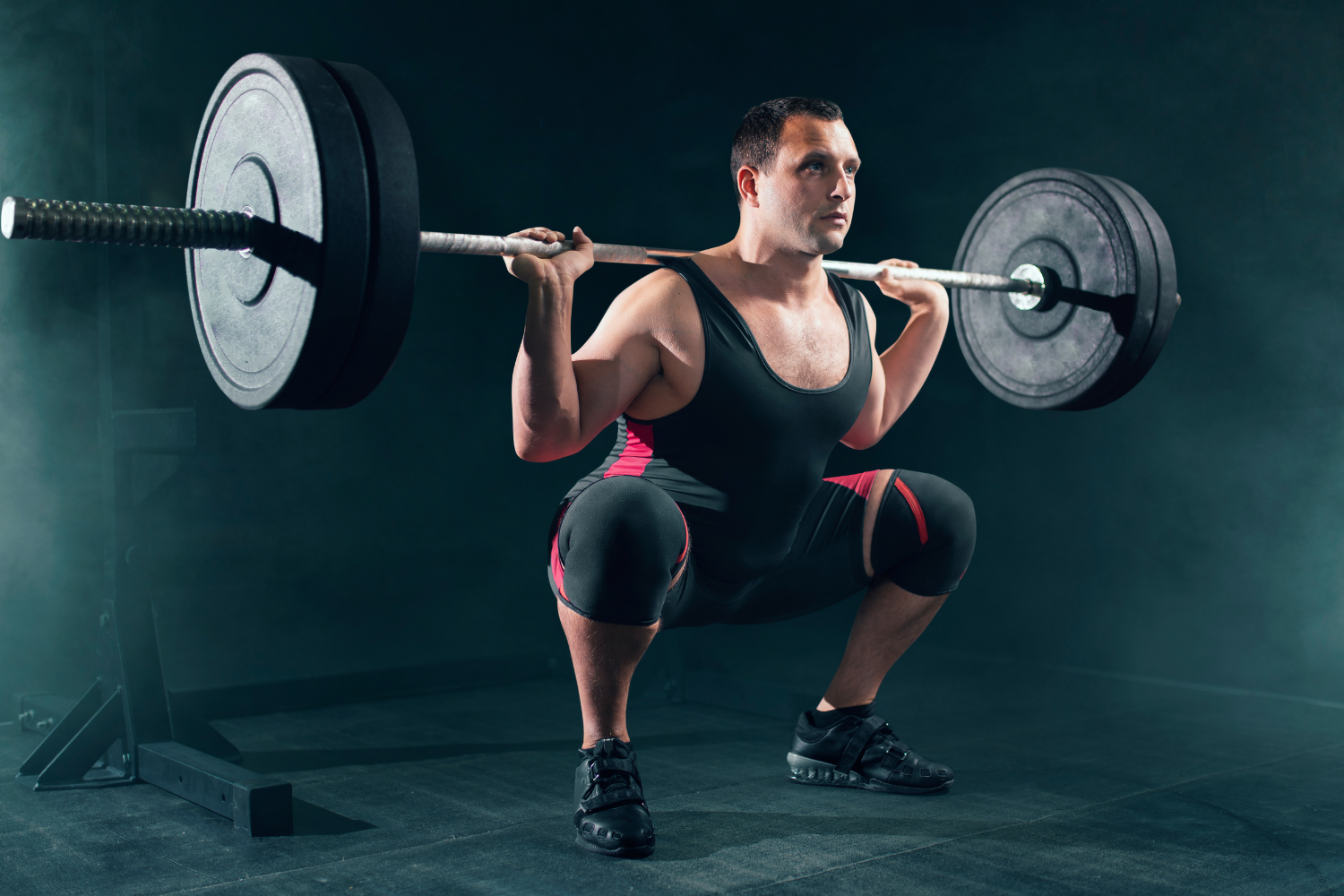
Do you feel like your squat isn’t at the level it should be?
Or you train and train, but the weight never increases?
It might not be a strength problem, here’s why.
The squat uses 200+ muscles in a single repetition, all working together. It requires precise coordination, mobility, stability and control across multiple joints!
The first thing you need to figure out is whether the problem is a technique issue or a load tolerance problem.
If you feel like any of these might apply to you, here are some simple ways to check:
The knee-to-wall test is quick and easy, and can highlight any major restrictions in dorsiflexion
Record your squat from behind and watch for any shifting. If you shift to the right, it’s often the left hip lacking external rotation (and vice versa)
If your heavier sets feel unstable or like you’re going to fall forward, your bracing likely isn’t strong enough
If you’re confident your technique is solid, then the issue may be load tolerance.
Here are some variations we commonly use to break through a plateau and safely increase your squat strength:
Reducing the range of motion allows you to increase load. This can improve confidence under heavier weights and help build tolerance without putting you in more compromised positions.
Perform a full squat with a 1–3 second pause partway through the movement. This reduces load but increases time under tension, helping improve control, bracing, and muscular endurance.
A great variation that reduces the stability demands of a squat, allowing you to increase load with less risk of technique breakdown. Particularly useful for building strength and power through the legs.
All of these techniques and variations target different aspects of your squat.
The key is identifying where you are falling short which can be difficult to do on your own.
That’s where professional guidance can make a big difference.
A simple process that helps you understand your squat and gives you the tools to improve it.
At Invigorate Health and Performance, we take a structured approach to help you move and perform better:
If you want to improve your squat, getting your technique right is always the first step!