
Sleep disturbances.
Sexual difficulties.
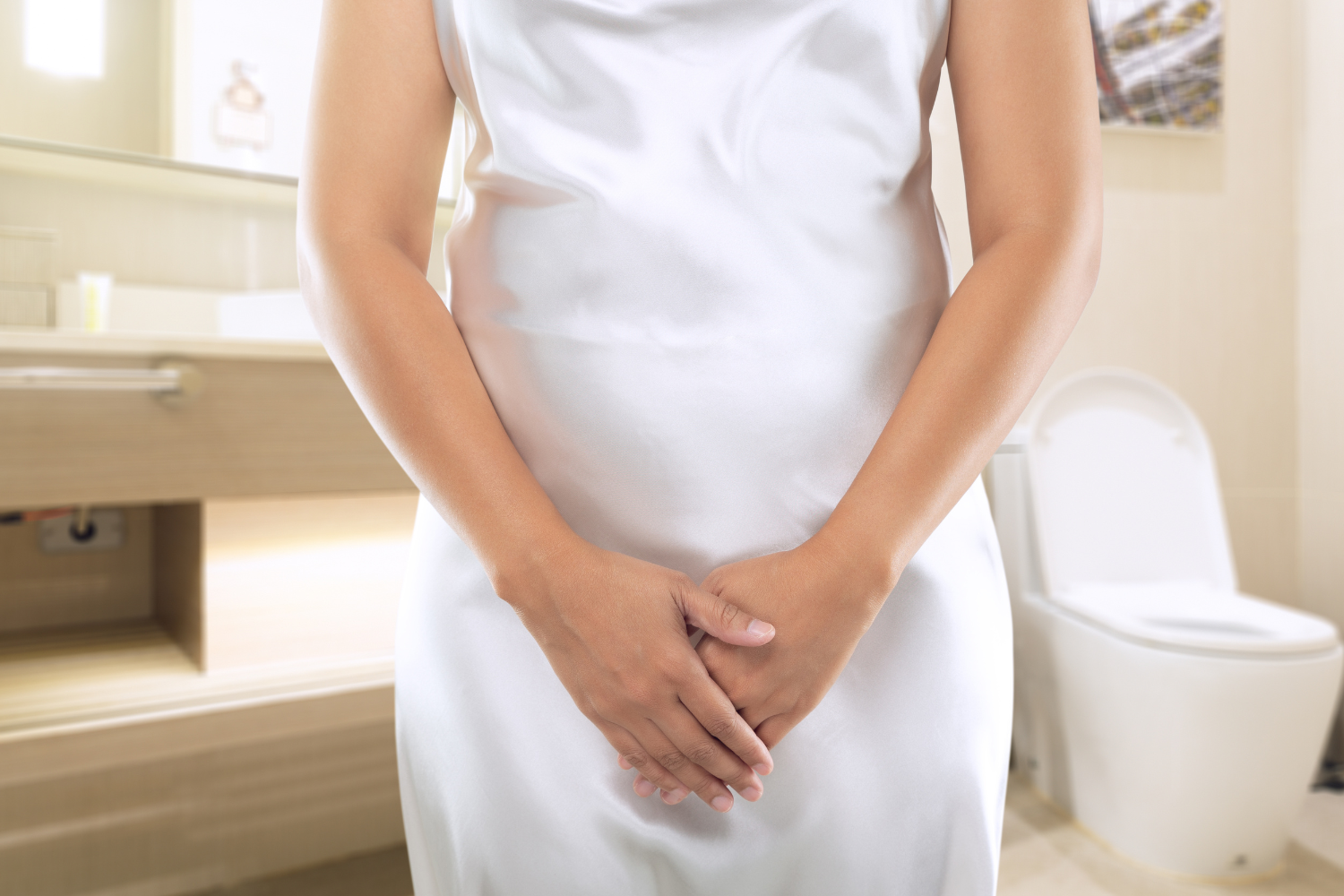
Urinary urgency or leakage.
Stiff, painful joints and tendons.
Pelvic organ prolapse.
Changes in body shape.
Low mood, anxiety or brain fog.
Reduced bone density.
Increased risk of heart disease.
These are just some of the troubling symptoms that can occur during perimenopause and menopause, and if you’re in this stage of life, this list may feel uncomfortably familiar.
The encouraging news is that the right kind of movement and exercise can help improve all of these menopause symptoms.
Perimenopause is the transitional stage leading up to menopause, marked by fluctuating hormones. Menopause is defined as 12 months after your final menstrual period, after which oestrogen levels remain low.
Estrogen plays a vital role throughout the body, so as levels change and decline, symptoms can appear across many body systems, not just your reproductive system.
Lower estrogen levels cause a generalised inflammatory state throughout the body. This can contribute to joint pain during menopause, tendon problems (often affecting the hips, shoulders or elbows), heightened immune responses and increased gut or bowel irritability.
Muscles naturally lose bulk and elasticity with age, and this process accelerates with declining oestrogen. This includes the pelvic floor muscles and sphincters, which can become weaker, tighter or more fragile.
Genitourninary Syndrome of Menopause is the name used to describe pelvic issues brought on by low oestrogen.
Symptoms may include:
Hormonal fluctuations often disrupt sleep, with many women struggling to fall asleep or waking regularly around 2-3am. Poor sleep affects mood, immune function, metabolism, and can increase body fat retention.
After menopause, bone breakdown can occur faster than new bone is formed, increasing the risk of osteoporosis. Reduced bone density increases the risk of fractures and can impact mobility and independence later in life.
Throughout life women have lower levels of cardiovascular disease than men. This is partly due to the protective effects of oestrogen. After menopause, the risk of heart disease and stroke increases for women, making heart health after menopause a key focus.
Low oestrogen leads to reduced muscle mass and redistribution of body fat, with more fat being laid down around the abdomen. This is a risk for type 2 diabetes and some types of cancer.
Menopause is linked to increased brain fog, low motivation, anxiety, panic attacks and depression. Hormonal instability, compounded by sleep disruption, and the many major life transitions that occur during this stage of life are thought to be key reasons.
Movement includes both general fitness and specific, targeted exercise to address individual symptoms. Together, they form a powerful foundation for supporting your health during perimenopause and menopause.
Current exercise guidelines recommend:
This might look like a brisk 30–60 minute walk, or 30 minutes of jogging, fast cycling, swimming, aerobics or similar activities on most days.
Regular exercise during menopause has been shown to:
Our top tips for success with exercise are consistency and enjoyment.
Finding a form of movement you enjoy and that fits your lifestyle makes it far easier to stick with long term. Setting regular “exercise dates” with a friend or joining a class, can help keep you motivated.
During peri/menopause your pelvic health can become quite complex. Your pelvic floor muscles could be tight or weak, or both! You may have bladder problems, sexual difficulties, prolapse symptoms or a combination.
If you’re experiencing urinary leakage during menopause, prolapse symptoms, bladder issues or sexual discomfort, an assessment with a Pelvic Health Physiotherapist can be extremely valuable. Individualised guidance ensures you’re exercising safely and effectively, rather than relying on generic advice that may not suit your individual situation.
In addition to pelvic floor exercises, Pelvic Health Physiotherapists have a range of tools to support bladder, bowel, sexual and prolapse symptoms during menopause. (Look out for Part 2 of this blog, where we explore these options in more detail.)
To support bone density during menopause, resistance training, appropriate impact loading, and balance exercises are recommended. These exercises help slow bone loss and reduce the risk of osteoporosis and fractures.
A Physiotherapist or Exercise Physiologist can help tailor a program based on your health history, symptoms, and confidence with exercise.
Aerobic exercise that safely elevates your heart rate plays an important role in protecting heart health after menopause. Regular cardiovascular exercise helps lower cholesterol, improve blood pressure, and reduce the risk of heart disease and stroke.
If you’re unsure what intensity is right for you, your GP or health professional can help guide you.
Joint pain and tendon problems during menopause often respond best to a combination of:
In some cases, hormone therapy may also play a role. A Physiotherapist can help guide you through safe and effective management strategies.
These issues commonly associated with menopause are not something you simply have to put up with. With the right support, movement can help you feel stronger, more confident, and more comfortable in your changing body.
If you’re navigating perimenopause or menopause and would like personalised guidance, an assessment with a Pelvic Health Physiotherapist can help you move safely and confidently. Our experienced team supports women with pelvic floor concerns, bladder and bowel symptoms, prolapse, sexual discomfort and exercise guidance during menopause.
You’re very welcome to call the clinic to book an appointment or keep an eye out for our free Pelvic Health Education evenings at Mittagong and Narellan.
Your body is changing, but with the right movement, it can remain strong, capable and resilient.