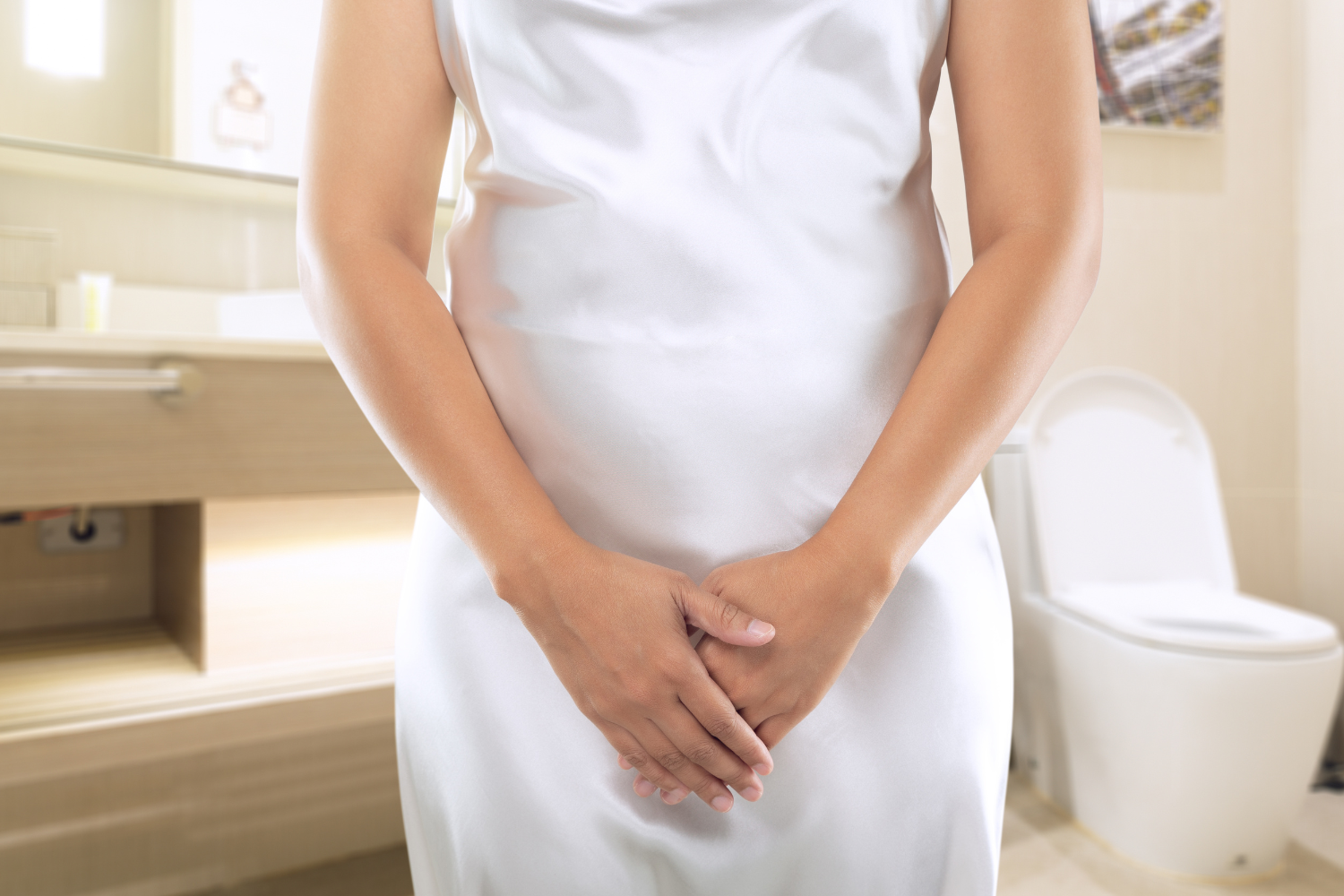
If you’ve ever lost a few drops of urine during a good belly laugh, you’re not alone. Many women have experienced this on occasion. Known as Stress Incontinence, this type of leaking is usually due to a weakness or timing issue with the pelvic floor muscles or urinary sphincter.
If it’s a one off situation and only involves a small amount of urine, it’s not necessarily a cause for concern. However, when leakage becomes frequent or involves larger amounts, it’s worth paying attention.
Urinary leaking can be inconvenient and embarrassing and can lead to limiting fluid intake and reducing social contact, neither of which are good for overall bladder health or well-being.
The good news? Stress incontinence is usually very treatable with the right support, particularly from a pelvic health physiotherapist.
Giggle incontinence is a lesser-known and more specific type of urinary incontinence. Giggle incontinence commonly affects girls and younger women, mostly typically between 5-16 years of age.
As the name suggests, this type of leaking is usually triggered by laughing, although exercise and other activities can also be problematic.
Often the amount of urine leakage is much larger and feels impossible to stop.
Understandably, this can be very distressing. Many young people feel too embarrassed to talk about it, which can delay getting the help for months or even years.
Giggle Incontinence is thought to involve more than just the pelvic floor. Research suggests that other body systems, such as the central nervous system and bladder signalling pathways may also play a role, making it a more complex condition.
With that said, “complex” doesn’t mean untreatable.
I recently worked with a teenage girl with this exact problem.
She had been suffering from urinary leakage, often on a daily basis, for a year and had only recently told her parents.
Like many others, she had been reducing her fluid intake to try to avoid leaking.
Unfortunately, while this may seem logical, it often backfires.
Concentrated urine can irritate the lining of the bladder, making symptoms worse.
Low fluid intake also contributes to constipation, which places further pressure and irritation on the bladder.
Bladder & Lifestyle Education
Movement and Muscle Function
After just 3 weeks the client reported no further leaking.
To further ensure long term relief we also introduced some transcutaneous nerve stimulation (TNS). This is a non-invasive treatment that reduces bladder irritability. Research shows TNS is as effective at calming the bladder as medication, without the side effects.
By our 3rd session she remained completely symptom-free.
Giggle incontinence isn’t widely talked about, which can make it feel isolating. But with the right guidance, significant improvement and even complete resolution is absolutely possible.
It’s worth speaking to a pelvic health physiotherapist if:
Early assessment and targeted treatment can significantly improve outcomes.
If you or someone you care about is experiencing leakage, a conversation is often the best place to start.
At Invigorate Health and Performance, our pelvic health physiotherapists provide evidence-based care in a supportive and respectful environment.
Whether you’re looking for answers, reassurance or a clear treatment plan, we’re here to help you move forward with confidence!